Moroccan beauty
How to Use Argan Oil for Hair
Argan oil can be applied to hair as a pre-wash treatment, a leave-in for ends, or a small amount worked through dry hair to help reduce frizz and add shine. Here's how to use it.
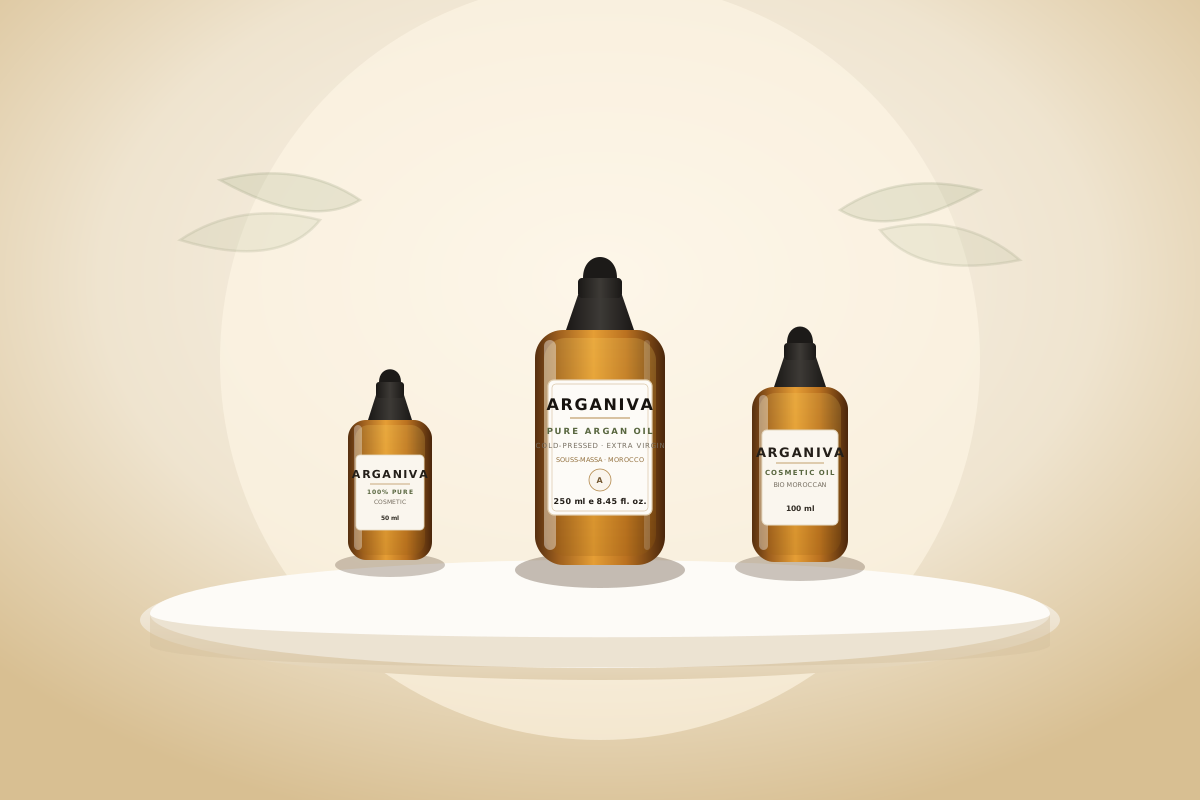
How do you use argan oil for hair?
Argan oil for hair is typically applied in small amounts — a few drops warmed between the palms and worked through damp or dry ends — either as a leave-in finishing step or as a pre-wash treatment left on before shampooing. It’s a cosmetic product meant to help hair look and feel smoother, not a treatment with guaranteed results.
Three common ways to use it
1. As a leave-in on dry or damp hair Warm one to three drops between your palms, then smooth them through the mid-lengths and ends — the parts of your hair that tend to be driest and most prone to looking dull or frizzy. This is the most common way cosmetic argan oil is used day to day, whether on freshly washed hair or as a quick touch-up partway through the day.
2. As a pre-wash treatment Apply a slightly larger amount to dry hair before showering — focusing on ends rather than roots — and leave it on for twenty to thirty minutes, or longer if you prefer, before shampooing as usual. Some people do this once a week rather than daily. It’s a different use case from the leave-in method: this is about giving hair a longer soak rather than a quick finishing touch.
3. Mixed into a small amount of conditioner A drop or two stirred into the conditioner you’re already using in the shower is a low-effort way to work it in without a separate step, particularly for finer hair that doesn’t need a strong standalone oil application.
Where to apply it — and where to be careful
| Area | Typical approach |
|---|---|
| Ends | Most common application point — driest part of most hair |
| Mid-lengths | Common, especially for longer hair |
| Scalp | Optional; some people massage a small amount in, but those with oilier scalps often skip this |
| Roots | Usually avoided unless hair is very dry, since oil near the roots can look greasy faster |
Hair type matters here. Finer, straighter hair generally needs less — a single drop can be plenty — while thicker, curlier, or coarser hair can often take more without looking weighed down.
How much is too much
The most common mistake is using too much at once. Argan oil doesn’t wash out as easily as water-based products, so if hair starts to look flat, stringy, or greasy rather than glossy, that’s a sign to use less next time, not more product to fix it. Start with a single drop and build up rather than starting generous.
Working it into hair that’s already styled
If your hair is already dry and styled — after using heat tools, for example — a very small amount smoothed over the surface of the ends can help tame flyaways and add a bit of shine without disturbing the style underneath. Rub a single drop between your fingertips first rather than applying it directly from the bottle, so it spreads thin and even rather than landing in one concentrated spot.
Timing it around washing
Some people build argan oil into a simple weekly rhythm: a pre-wash treatment once a week for a deeper application, and a small leave-in touch after washing the other days. There’s no fixed schedule that works for everyone — hair type, climate, and how often you wash all shift what feels right. In a drier climate or during winter, hair often tolerates more oil more often; in a humid climate, less is usually better to avoid a weighed-down look.
A note on curly and textured hair
Curlier and more textured hair types often benefit from slightly more product than straight hair does, since curl patterns tend to be more prone to dryness along the length of the strand. Applying argan oil to damp hair right after washing, before it fully dries, is a common approach for curly hair — it can be worked through with fingers or a wide-tooth comb alongside a regular leave-in conditioner, rather than as a separate extra step.
What to expect, honestly
Used this way, argan oil is a cosmetic finishing and conditioning product — it can help hair look smoother, feel softer, and appear less frizzy, particularly on dry or damaged ends. It is not a medical treatment, and nothing about how it’s used here should be read as a claim about hair growth, scalp conditions, or any health outcome. If you’re looking for that kind of result, argan oil isn’t the right thing to reach for.
A note on which oil to use
Only cosmetic argan oil — the unroasted version — is used on hair. Culinary argan oil, pressed from roasted kernels for cooking, has a stronger scent and isn’t intended for this use. See our cosmetic vs culinary comparison if you’re unsure which bottle you have.
Where to go from here
- Using it on skin too? Read argan oil for skin.
- Not sure your bottle is the real thing? See how to choose authentic argan oil.
- Ready to order? Browse cosmetic argan oil.
Frequently asked questions
How much argan oil should I use on my hair?
For most hair lengths, one to three drops warmed between the palms is enough for the ends; using too much can leave hair looking greasy rather than glossy, so it's best to start small and add more only if needed.
Can argan oil be used on the scalp?
Some people massage a small amount into the scalp, though it's more commonly applied to the mid-lengths and ends, where hair tends to be driest. If you have an oily scalp, you may prefer to keep it off the roots.
Does argan oil regrow hair?
No. Argan oil is a cosmetic product used to help hair look and feel smoother — it isn't a treatment for hair loss or a guarantee of hair growth, and no claim like that should be trusted.
Related products
Related articles
How to Use Argan Oil for Skin
Argan oil fits into a skincare routine in a few specific spots — face, body, and nails — and it's worth patch-testing before you commit to any of them.
Cosmetic vs Culinary Argan Oil — What's the Difference?
They come from the same fruit, but cosmetic and culinary argan oil are made differently, smell different, and are not interchangeable.
How to Choose Authentic Argan Oil
Argan oil is one of the more diluted products on the market. Here's a practical checklist for telling the real thing from a blend.