Moroccan beauty
How to Use Argan Oil for Skin
Argan oil can be used on face, body, nails, and cuticles as a moisturizing cosmetic oil, applied after cleansing or layered under a moisturizer. Here's how to use it and how to patch-test first.
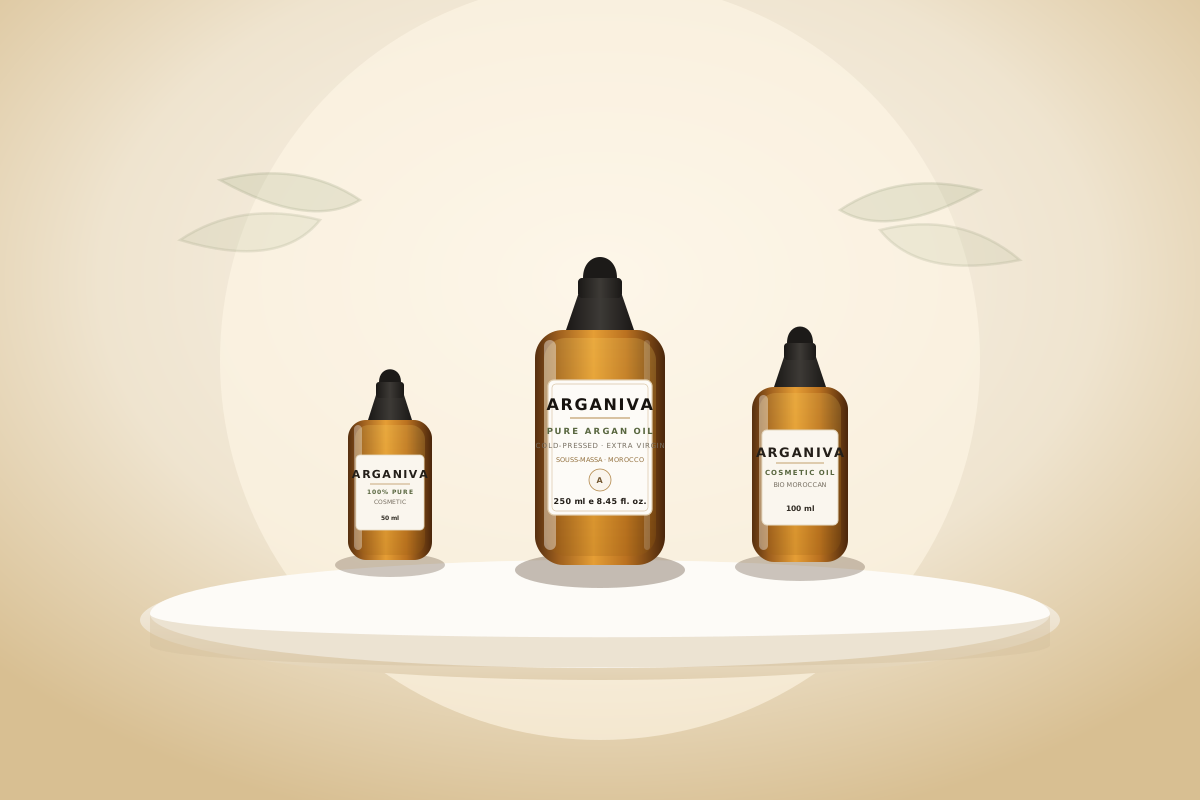
How do you use argan oil for skin?
Argan oil is used on skin by applying a few drops to the face, body, nails, or cuticles as a moisturizing finishing oil, typically after cleansing and, if you use one, after a water-based moisturizer. It’s a cosmetic product for softening and moisturizing skin, not a treatment for any skin condition.
Patch-test first
Before adding any new oil to your routine, apply a small amount to an inconspicuous area — the inside of your forearm is a common spot — and wait 24 hours to see how your skin reacts. This matters for any cosmetic product, and it’s a reasonable first step even for something as commonly used as argan oil, since individual skin sensitivities vary.
On the face
A small amount — one or two drops is usually enough for the whole face — is warmed between the fingertips and pressed gently into skin, typically as the last step in a routine, after cleansing and any water-based products. Because it’s an oil, it tends to work better as a final layer sealing in moisture than as a first step.
If you have oilier or acne-prone skin, start with a very small amount and see how your skin responds over a week or two before deciding whether to keep using it daily, every other day, or not at all — oils don’t suit every skin type equally, and that’s fine to work out through trial and observation rather than assumption.
On the body
A slightly more generous amount can be applied to elbows, knees, heels, or anywhere skin tends to feel drier, usually right after a shower while skin is still a little damp, which can help it spread more easily. It works the same way as any body oil — massaged in until absorbed, with excess wiped off if any remains.
On nails and cuticles
A small drop rubbed into cuticles and around the nail bed is one of the more specific, practical uses for argan oil — it’s compact to apply and doesn’t require much product. Some people keep a small bottle specifically for this, applying it in the evening.
Mixing it into existing products
Rather than applying argan oil as a separate step, some people simply stir a drop or two into a moisturizer, body lotion, or even a foundation before applying it. This is a practical option if you find a standalone oil step feels like one step too many in your routine, or if you’re testing whether you like how it feels on your skin before committing to using it on its own. It’s also a gentler way to introduce it if you’re cautious about using an unfamiliar oil directly.
Seasonal use
Skin often needs different things depending on the season. In colder or drier months, when skin tends to feel tighter and flakier, a slightly more generous layer — especially on the body — can help address that dryness. In warmer, more humid months, many people scale back to a lighter application on the face and reserve a fuller amount for particularly dry spots like elbows and heels, since skin generally needs less added moisture when the air itself is more humid.
A simple routine to try
- Cleanse as usual.
- Apply any water-based serum or toner.
- Apply moisturizer, if you use one.
- Finish with one or two drops of argan oil, pressed rather than rubbed in, focusing on drier areas.
This order isn’t a strict rule — some people prefer mixing a drop into their moisturizer instead of layering it separately — but it’s a reasonable starting point if you’re new to using it.
What to expect, honestly
Used this way, argan oil functions as a moisturizing cosmetic oil that can help skin feel softer and look less dry. It is not a medical or dermatological treatment. It doesn’t cure, treat, or prevent any skin condition, and it isn’t a verified anti-aging product — any claim suggesting otherwise should be treated with skepticism, including ones you might see elsewhere online.
Which oil to use
Only cosmetic argan oil — pressed from unroasted kernels — is intended for use on skin. Culinary argan oil is a food product with a different aroma and isn’t formulated for cosmetic use. See cosmetic vs culinary argan oil if you’re not sure which one you have.
Where to go from here
- Using it on hair as well? Read argan oil for hair.
- Want to make sure your bottle is authentic? See how to choose authentic argan oil.
- Ready to order? Browse cosmetic argan oil.
Frequently asked questions
Should argan oil be applied before or after moisturizer?
Most people apply it after their regular moisturizer, as a final layer to help seal it in, since oils generally sit on top of water-based products rather than absorbing before them. Some prefer mixing a drop directly into their moisturizer instead.
Can argan oil be used on the face every day?
Many people do use a small amount daily, but it's worth patch-testing first and adjusting the amount based on how your skin responds, especially if you have oilier or acne-prone skin.
Does argan oil have anti-aging effects?
Argan oil is a moisturizing cosmetic oil. It isn't a treatment for wrinkles or aging, and no anti-aging outcome should be expected or promised from using it.
Related products
Related articles
How to Use Argan Oil for Hair
A small amount goes a long way. Here's how argan oil is actually used on hair, and how much to apply where.
Cosmetic vs Culinary Argan Oil — What's the Difference?
They come from the same fruit, but cosmetic and culinary argan oil are made differently, smell different, and are not interchangeable.
How to Choose Authentic Argan Oil
Argan oil is one of the more diluted products on the market. Here's a practical checklist for telling the real thing from a blend.