Moroccan beauty
Argan Oil vs Rosehip Oil for Face & Skin: The Complete Comparison
Compare argan oil vs rosehip oil for face, wrinkles, acne scars, and skin barrier health. Learn about Vitamin A vs Vitamin E, fatty acids, and how to layer both.
Argan Oil vs Rosehip Oil: Which Facial Oil Is Right for You?
In the world of facial skincare, argan oil and rosehip oil are widely regarded as the two most potent, nutrient-dense botanical elixirs available. Both have garnered loyal followings among dermatologists, estheticians, and clean-beauty advocates for their remarkable ability to rejuvenate, hydrate, and protect the skin.
Yet, while both oils deliver glowing results, they target skin health through two completely different biochemical mechanisms:
- Rosehip oil is nature’s answer to cellular renewal and brightening, fueled by natural provitamin A (carotenoids and trans-retinoic acid) and high polyunsaturated fatty acids.
- Argan oil is nature’s answer to barrier restoration, lipid hydration, and antioxidant defense, fueled by concentrated vitamin E (tocopherols), squalene, and balanced essential fatty acids.
This comprehensive guide breaks down the science, lipid chemistry, anti-aging performance, and scar-fading abilities of argan oil versus rosehip oil, helping you decide which to choose—or how to layer them together in your daily skincare routine.
Quick Comparison: Argan Oil vs Rosehip Oil
| Attribute | Pure Moroccan Argan Oil | Pure Rosehip Seed Oil |
|---|---|---|
| Botanical Source | Argania spinosa kernels (Souss-Massa, Morocco) | Rosa canina or Rosa rubiginosa seeds (Chile/Europe) |
| Signature Nutrients | Vitamin E (Tocopherols), Squalene, Ferulic Acid | Provitamin A (Carotenoids), Vitamin C (trace), Lycopene |
| Dominant Fatty Acid | Balanced: Oleic (~46%) & Linoleic (~34%) | Linoleic (~44–50%) & Alpha-Linolenic (~30–35%) |
| Comedogenic Score | 0 / 5 (Will not clog pores) | 1 / 5 (Very low risk of pore clogging) |
| Texture & Absorption | Velvety, rich cushion, absorbs to a luminous finish | “Dry oil” feel, ultra-fast absorbing, matte finish |
| Natural Color | Clear golden amber | Deep reddish-orange to rich golden amber |
| Primary Skin Action | Moisture Barrier Repair, Plumping, Antioxidant Shield | Cellular Turnover, Fading Hyperpigmentation, Fine Lines |
| Best Skin Types | Dry, Normal, Mature, Sensitive, Dehydrated | Hyperpigmented, Dull, Sun-Damaged, Acne-Prone |
| Shelf Life | 18–24 months (High oxidative stability) | 6–9 months (Prone to rapid oxidation) |
| Hair & Body Use? | Exceptional for hair, face, nails, and body | Primarily used for face, neck, and localized scars |
1. The Biochemical Differences: Vitamin E vs. Vitamin A
To understand what each oil does for your complexion, you must examine their distinctive nutrient profiles.
                    ┌─────────────────────────┐
                    │    BIOCHEMICAL MATRIX   │
                    └────────────┬────────────┘
                                 │
         ┌───────────────────────┴───────────────────────┐
         ▼                                               ▼
┌─────────────────────────────────┐   ┌─────────────────────────────────┐
│     MOROCCAN ARGAN OIL          │   │        ROSEHIP SEED OIL         │
├─────────────────────────────────┤   ├─────────────────────────────────┤
│ • Peak Vitamin E (~700 mg/kg)   │   │ • Natural Provitamin A (Retinoid│
│ • Rich in Squalene & Sterols    │   │   precursors & Carotenoids)     │
│ • Oleic & Linoleic Lipid Balance│   │ • High Omega-3 & Omega-6 Poly-  │
│ • Superior Barrier Shield       │   │   unsaturated Fatty Acids       │
│ • Long Shelf Life (Stable)      │   │ • Cell Renewal & Spot Fading    │
└─────────────────────────────────┘   └─────────────────────────────────┘
The Power of Argan Oil: The Lipid Barrier Rebuilder
Argan oil is extracted by cold-pressing the inner raw kernels of Moroccan argan nuts. Its primary strength lies in barrier replenishment and environmental defense:
- Unrivaled Vitamin E Concentration: Argan oil contains between 600 and 700 mg/kg of active tocopherols (principally gamma-tocopherol and alpha-tocopherol). Vitamin E is the body’s primary lipid-soluble antioxidant, safeguarding cell membranes from the oxidative stress caused by ultraviolet light, urban smog, and blue light exposure.
- Plant Squalene: A natural component of human sebum that diminishes as we age. Squalene acts as an internal emollient that prevents transepidermal water loss (TEWL) and keeps skin supple and elastic.
- Ferulic Acid & Rare Phytosterols: Schottenol and spinasterol promote microcirculation and help soothe barrier irritation, redness, and reactive skin.
The Power of Rosehip Oil: The Natural Retinoid Alternative
Rosehip oil is cold-pressed from the seeds and hips of wild rose bushes (Rosa canina or Rosa rubiginosa). Its primary strength lies in cellular turnover and tone correction:
- Provitamin A and All-Trans Retinoic Acid: Rosehip oil contains natural derivatives of vitamin A. While much gentler than pharmaceutical retinoids, these natural retinoid precursors signal the skin to accelerate cell turnover, helping shed pigmented surface cells and stimulate collagen synthesis.
- Alpha-Linolenic Acid (Omega-3, ~30–35%): A powerful anti-inflammatory polyunsaturated fat rarely found in high concentrations in cosmetic plant oils.
- Lycopene & Beta-Carotene: Potent red and orange plant pigments that brighten dull skin tones and help reverse the visible signs of photoaging.
2. Argan Oil vs Rosehip Oil for Specific Skin Concerns
                    ┌───────────────────────────────┐
                    │    WHICH OIL FOR YOUR SKIN?   │
                    └───────────────┬───────────────┘
                                    │
         ┌──────────────────────────┴──────────────────────────┐
         ▼                                                     ▼
┌─────────────────────────────────┐   ┌─────────────────────────────────┐
│        CHOOSE ARGAN OIL         │   │        CHOOSE ROSEHIP OIL       │
├─────────────────────────────────┤   ├─────────────────────────────────┤
│ • Dehydrated, tight, flaky skin │   │ • Dark spots & sun damage       │
│ • Loss of firmness & elasticity │   │ • Post-inflammatory acne marks │
│ • Compromised skin barrier      │   │ • Dull, uneven skin tone        │
│ • Sensitive / easily irritated  │   │ • Early fine lines & texture    │
│ • Under-eye dryness & plumping  │   │ • Prefer an ultra-matte finish  │
└─────────────────────────────────┘   └─────────────────────────────────┘
1. Fine Lines, Wrinkles & Anti-Aging: Which Wins?
- Rosehip Oil works by stimulating renewal from within. Its natural vitamin A components and essential fatty acids encourage cellular regeneration, helping smooth shallow surface wrinkles and improve skin texture over time.
- Argan Oil works by restoring volume, elasticity, and barrier resilience. As skin ages, its natural lipid production drops dramatically, leading to structural dehydration and deepened expression lines. Argan oil supplies the essential fatty acids and squalene needed to fill the intercellular lipid matrix, plumping fine lines and improving skin elasticity within minutes of application.
Anti-Aging Verdict: For surface texture and photoaging, Rosehip Oil shines. For deep hydration, elasticity, and barrier plumping, Argan Oil is superior. Using both together creates a complete anti-aging shield.
2. Acne Scars, Dark Spots & Hyperpigmentation: Which Wins?
- Rosehip Oil is the undisputed winner for dark spots. Its rich concentration of carotenoids, trans-retinoic acid, and high linoleic acid accelerates the skin’s natural exfoliation cycle. With consistent use, rosehip oil visibly fades post-inflammatory hyperpigmentation (PIH) left behind by healed blemishes, as well as stubborn sun spots.
- Argan Oil helps prevent new dark spots by calming active inflammation and neutralizing the free radicals that trigger excess melanin production, but it works at a slower rate than rosehip for active pigment clearance.
3. Dry, Dehydrated, or Sensitive Skin Barrier: Which Wins?
- Argan Oil is the clear winner for dry or sensitized skin. Rosehip oil is classified as a “dry oil”—it absorbs so rapidly that people with very dry or barrier-compromised skin often feel their skin is still parched. Argan oil provides a rich, velvety lipid cushion that locks moisture deep into the epidermis, soothing tightness, flaking, and sensitivity.
4. Oily & Acne-Prone Skin: Which Wins?
- Tie (Both Are Superb):
- Argan Oil has a 0 comedogenic rating and is rich in linoleic acid, which thins out thick, sticky sebum to prevent clogged pores while calming red, cystic inflammation.
- Rosehip Oil has a 1 comedogenic rating, absorbs with a non-greasy matte finish, and helps clear the post-acne marks left behind by previous breakouts.
3. Texture, Feel & Absorption: Side-by-Side Comparison
┌─────────────────┬───────────────────────────────┬───────────────────────────────┐
│ PROPERTY        │ PURE ARGAN OIL                │ PURE ROSEHIP OIL              │
├─────────────────┼───────────────────────────────┼───────────────────────────────┤
│ Viscosity       │ Medium-light, silky glide     │ Thin, watery-light "dry oil"  │
│ Absorption Time │ 3 to 5 minutes                │ 1 to 2 minutes                │
│ Finish on Skin  │ Dewy, velvety, radiant glow   │ Semi-matte, natural finish    │
│ Scent           │ Very faint earthy/nutty aroma │ Earthy, herbal, slightly sour │
│ Staining Risk   │ Clear gold — zero staining    │ Amber/orange — can stain cloth│
└─────────────────┴───────────────────────────────┴───────────────────────────────┘
4. The Stability Factor: Shelf Life & Oxidation
One critical difference between these two oils that is rarely discussed is oxidative stability:
┌────────────────────────────────────────────────────────────────────────┐
│                      OXIDATIVE STABILITY & SHELF LIFE                  │
├──────────────────────────────────┬─────────────────────────────────────┤
│ PURE MOROCCAN ARGAN OIL          │ PURE ROSEHIP SEED OIL               │
│ • Shelf Life: 18 to 24 Months    │ • Shelf Life: 6 to 9 Months         │
│ • Highly stable oleic/linoleic   │ • Unstable polyunsaturated Omega-3  │
│ • Packed with natural Vitamin E  │ • Degrades quickly in heat/light    │
│ • Stable at room temperature     │ • Best kept in refrigerator         │
└──────────────────────────────────┴─────────────────────────────────────┘
Because rosehip oil is composed of over 75% delicate polyunsaturated fats (including unstable alpha-linolenic acid), it oxidizes quickly when exposed to air, light, or warm temperatures. Rancid rosehip oil develops a sharp, paint-like smell and can generate free radicals that irritate the skin.
Argan oil, by contrast, is fortified by nature with a resilient oleic-linoleic matrix and immense natural tocopherol reserves, making it one of the most stable, long-lasting botanical oils in clean cosmetics.
5. How to Layer or Blend Argan and Rosehip Oil
You do not have to choose between argan oil and rosehip oil. Because their active mechanisms complement each other, using both in your routine produces synergistic results.
                    ┌────────────────────────────────────────┐
                    │    RECOMMENDED AM / PM ROUTINE         │
                    └───────────────────┬────────────────────┘
                                        │
         ┌──────────────────────────────┴──────────────────────────────┐
         ▼                                                             ▼
[MORNING ROUTINE: ARGAN SHIELD]               [EVENING ROUTINE: ROSEHIP RENEWAL]
1. Gentle Cleanse                             1. Double Cleanse
2. Hydrating Mist / Serum                     2. Treatment Serums (Niacinamide/BHA)
3. 2 drops PURE ARGAN OIL (Antioxidant)       3. 2 drops ROSEHIP OIL (Cell Turnover)
4. Sunscreen (SPF 30+)                        4. 2 drops ARGAN OIL (Lock-In Seal)
Method 1: The AM / PM Routine Split
- Morning: Apply 2 drops of pure argan oil over your damp skin before sunscreen. Argan’s high vitamin E levels bolster your sunscreen’s defense against daytime UV free radicals and environmental pollution.
- Evening: Apply 2 to 3 drops of rosehip oil before bed to support your skin’s nocturnal cellular regeneration and dark-spot fading process.
Method 2: The Golden Hour Anti-Aging Blend
Mix equal parts in your palm before applying:
- 2 drops Pure Moroccan Argan Oil (for lipid hydration and barrier repair)
- 2 drops Pure Rosehip Seed Oil (for vitamin A cell renewal and brightening)
- Gently press into the face, neck, and décolletage on freshly cleansed, damp skin.
6. Summary: Which Oil Should You Choose?
┌──────────────────────────────────────┬────────────────┬────────────────┐
│ YOUR PRIORITY                        │ ARGAN OIL      │ ROSEHIP OIL    │
├──────────────────────────────────────┼────────────────┼────────────────┤
│ Fading Dark Spots & Hyperpigmentation│ ★★★☆☆ (Fair)   │ ★★★★★ (Best)   │
│ Restoring a Damaged Moisture Barrier │ ★★★★★ (Best)   │ ★★★☆☆ (Moderate│
│ Deep Hydration for Dry / Flaky Skin  │ ★★★★★ (Best)   │ ★★☆☆☆ (Too Dry)│
│ Evening Skin Tone & Boosting Radiance│ ★★★★☆ (Great)  │ ★★★★★ (Best)   │
│ Plumping Fine Lines & Under-Eye Care │ ★★★★★ (Best)   │ ★★★★☆ (Good)   │
│ Long Shelf Life & Stability          │ ★★★★★ (2 Years)│ ★★☆☆☆ (6 Mos.) │
│ Multi-Use for Hair, Beard & Nails    │ ★★★★★ (Best)   │ ★★☆☆☆ (Face Onl│
└──────────────────────────────────────┴────────────────┴────────────────┘
The Verdict: Quality & Sourcing
To experience the full spectrum of benefits from either oil, always prioritize 100% pure, cold-pressed, single-origin botanical extracts:
- For Rosehip Oil: Choose unrefined, cold-pressed oil from organic Rosa canina or Rosa rubiginosa, stored in a dark amber dropper bottle and used within 6 months of opening.
- For Argan Oil: Look for 100% pure Argania spinosa kernel oil, cold-pressed from raw, unroasted kernels in Morocco’s Souss-Massa region. Avoid products with added fragrances, mineral oils, or silicone fillers.
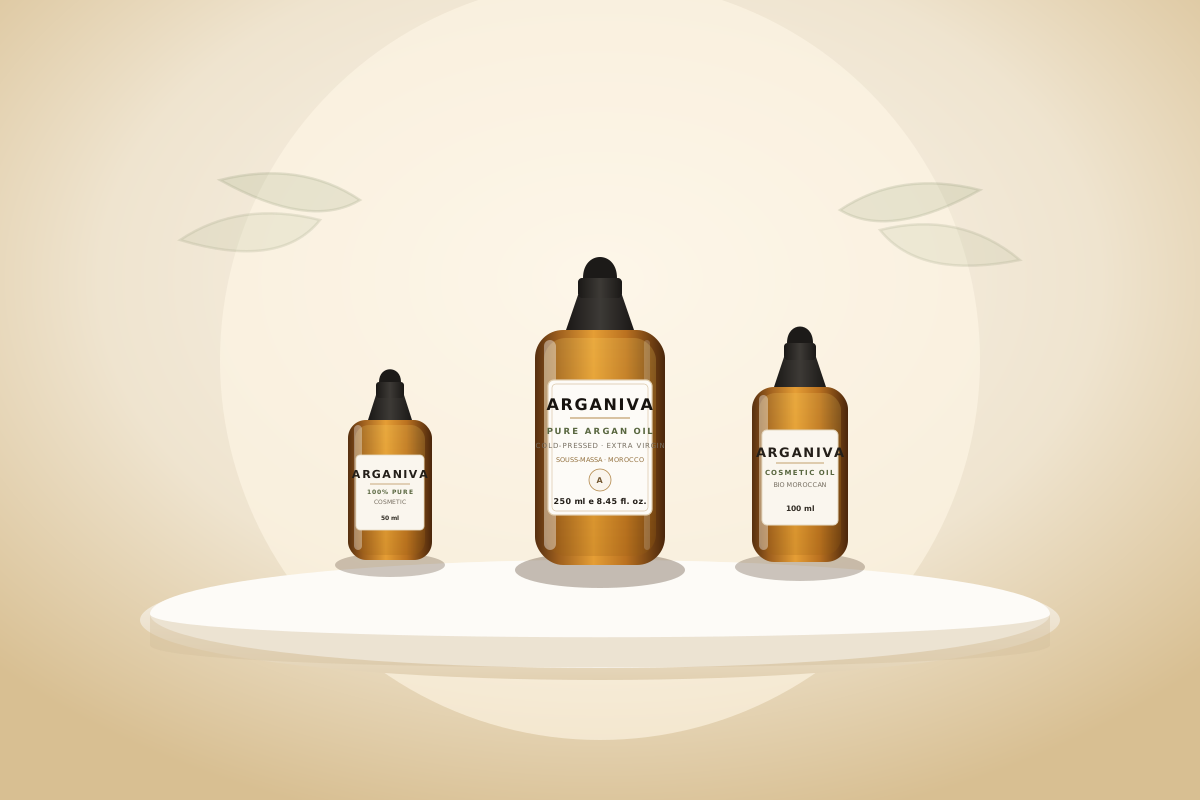
At ARGANIVA, our cosmetic argan oil is cold-pressed directly in southwestern Morocco, bottled fresh in UV-protective dark glass, and delivered with zero additives—giving your skin the pure, uncompromised botanical nourishment it needs to thrive.
Frequently Asked Questions
Can I use argan oil and rosehip oil with retinol?
Yes. Both oils are excellent partners for retinol. You can apply your retinol serum first, wait 5 minutes, and then apply 2 to 3 drops of argan oil to buffer against the peeling and dryness often caused by retinoids.
Does rosehip oil replace a moisturizer?
For oily skin in humid climates, 3 drops of rosehip oil on damp skin may provide enough light hydration. However, for dry or mature skin, rosehip oil lacks the occlusive lipid density needed to prevent water loss—layering argan oil on top provides the ideal moisture seal.
Can I use rosehip oil on my hair like argan oil?
While rosehip oil can be applied to the scalp for cellular nourishment, it is generally too light and expensive to use on hair lengths. Argan oil is far better suited for hair because its fatty acid profile smoothes the cuticle, prevents split ends, and delivers long-lasting shine.
Will rosehip oil turn my skin yellow or orange?
High-quality, unrefined rosehip oil has a deep amber-orange hue due to its rich beta-carotene content. When massaged into the skin in proper moderation (2 to 3 drops), it absorbs completely and leaves a natural, radiant glow without staining the skin.
Frequently asked questions
Is argan oil or rosehip oil better for wrinkles and aging?
Both target aging through different biological pathways. Rosehip oil contains trace all-trans retinoic acid (provitamin A) and high carotenoids to stimulate cellular turnover, boost collagen, and fade age spots. Argan oil contains concentrated vitamin E (tocopherols), squalene, and plant sterols to restore the lipid moisture barrier, plump fine lines, and improve skin elasticity. Using rosehip at night and argan in the morning (or blending them 50/50) provides the most comprehensive anti-aging regimen.
Which is better for acne scars and hyperpigmentation: argan oil or rosehip oil?
Rosehip oil is slightly more effective for fading dark spots and post-inflammatory hyperpigmentation (PIH) due to its high linoleic acid, trans-retinoic acid, and carotenoid content, which speed up skin cell renewal. Argan oil is superior for calming active inflammatory redness and protecting freshly healed skin from environmental damage.
Can you use argan oil and rosehip oil together?
Yes, absolutely. They complement each other exceptionally well. You can mix 2 drops of rosehip oil with 2 drops of argan oil in your palm for a powerful anti-aging elixir, or apply rosehip oil first as a lightweight treatment oil and seal it with argan oil as a rich lipid barrier protector.
Does rosehip oil expire faster than argan oil?
Yes, significantly faster. Rosehip oil is rich in highly polyunsaturated fatty acids (linoleic and alpha-linolenic) and has a short shelf life of 6 to 9 months, oxidizing quickly when exposed to light, air, and heat. Pure argan oil has a balanced oleic-linoleic profile with immense natural vitamin E reserves, giving it a much longer shelf life of 18 to 24 months.
What are the comedogenic ratings of argan oil and rosehip oil?
Pure Moroccan argan oil has a comedogenic rating of 0 (completely non-comedogenic). Pure rosehip seed oil has a comedogenic rating of 1 (very low risk of clogging pores). Both are safe for acne-prone and combination skin types.
Related products
Related articles
How to Use Argan Oil for Skin
Argan oil fits into a skincare routine in a few specific spots — face, body, and nails — and it's worth patch-testing before you commit to any of them.
Argan Oil vs Jojoba Oil: Which Is Better for Face, Hair & Scalp?
Argan oil and jojoba oil are two of the most celebrated botanical oils in beauty. We compare their molecular structures, sebum-mimicking traits, and performance for acne, anti-aging, and hair.
Argan Oil vs Coconut Oil: The Complete Hair and Skin Comparison
Should you use argan oil or coconut oil? We break down the science of fatty acids, comedogenic ratings, porosity, and hair protein sensitivity so you choose the right oil for your routine.
How to Choose Authentic Argan Oil
Argan oil is one of the more diluted products on the market. Here's a practical checklist for telling the real thing from a blend.