Moroccan beauty
Does Argan Oil Clog Pores? Comedogenic Rating, Acne & Facial Routine
Does argan oil cause acne or clog facial pores? Discover argan oil's 0 comedogenic rating, its oleic vs linoleic balance, and how to use it on oily skin.
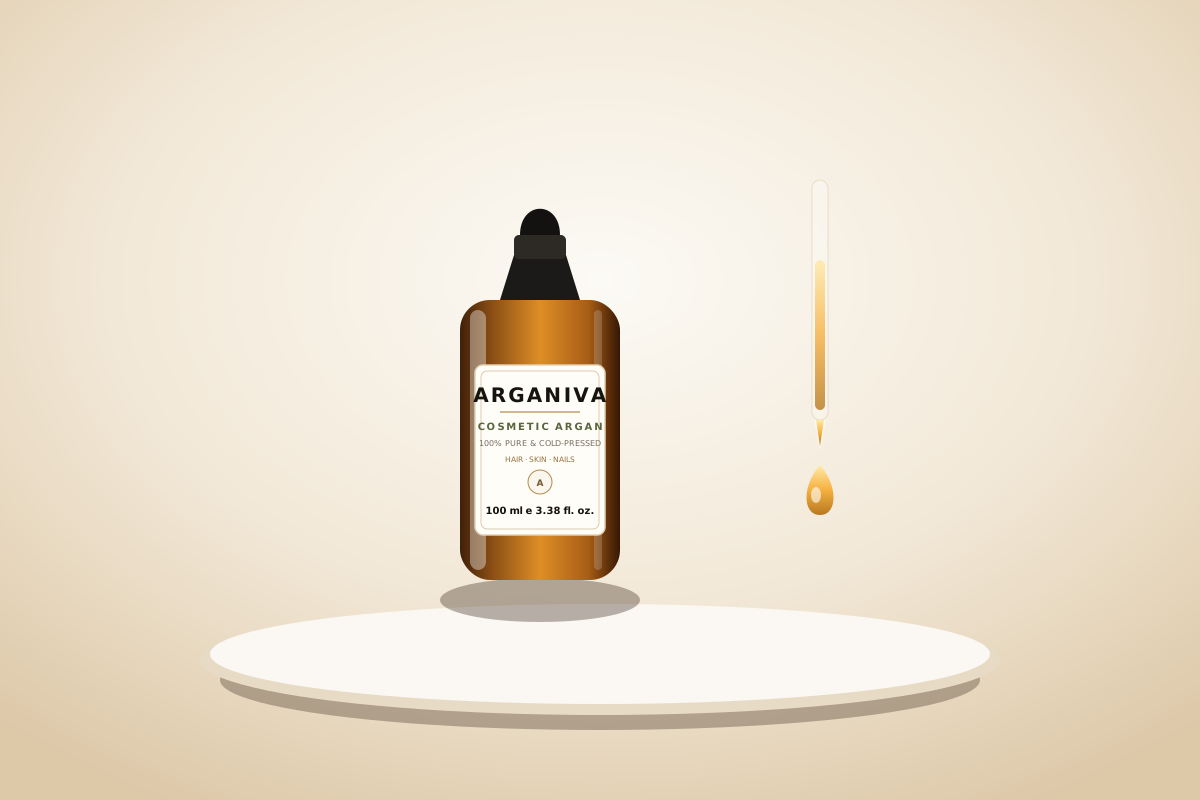
Does Argan Oil Clog Pores? The Dermatological Facts
If you have combination, oily, or acne-prone skin, the idea of applying pure oil to your face can feel counterintuitive—if not downright terrifying. For decades, conventional skincare wisdom taught us that “oil-free” was the only path to clear, blemish-free skin.
However, modern dermatological science has completely dismantled this myth. Not all oils behave the same way on human skin. While heavy saturated fats (like coconut oil or cocoa butter) can easily trigger severe breakouts, pure Moroccan argan oil is one of the safest, most effective facial oils in dermatology.
So, does argan oil clog pores?
The short answer is: No. Pure, cold-pressed cosmetic argan oil has a comedogenic rating of 0 (zero) on a 0-to-5 scale. It is officially classified as non-comedogenic, meaning it will not block your pores, form blackheads, or trigger acne. In fact, its unique balance of linoleic acid, oleic acid, and natural vitamin E can actually help regulate overactive oil production and clear inflammatory blemishes.
This guide explores the science of the comedogenic scale, explains how argan oil interacts with acne-prone complexions, and provides step-by-step instructions for using argan oil on your face without causing breakouts.
Quick Reference: Argan Oil’s Skin & Pore Profile
| Dermatological Metric | Pure Moroccan Argan Oil | What This Means for Your Skin |
|---|---|---|
| Comedogenic Rating | 0 / 5 | Completely Non-Comedogenic (Zero Pore Clogging) |
| Linoleic Acid (Omega-6) | ~29% to 36% | Thins sticky natural sebum; prevents follicular plugging |
| Oleic Acid (Omega-9) | ~43% to 49% | Enhances moisture penetration; restores lipid barrier |
| Vitamin E (Tocopherols) | ~600–700 mg/kg | Strong antioxidant; prevents sebum oxidation that leads to acne |
| Skin Feel | Silky, fast-absorbing cushion | Non-greasy; absorbs fully within 3 to 5 minutes |
| Pore Congestion Risk | Extremely Low | Safe for cystic acne, blackheads, and oily T-zones |
| Skin Type Compatibility | All Types | Oily, Combination, Dry, Sensitive, Acne-Prone, Mature |
1. The Comedogenic Scale: Where Argan Oil Ranks
The comedogenic scale is a dermatological rating system used by cosmetic chemists and dermatologists to measure how likely an ingredient is to clog pores and form comedones (blackheads and whiteheads). The scale ranges from 0 to 5:
                  ┌────────────────────────────────────────┐
                  │        THE COMEDOGENIC SCALE           │
                  │   0 = Non-Clogging  │  5 = High Risk   │
                  └───────────────────┬────────────────────┘
                                      │
 ┌──────────────────────┬─────────────┴────────┬──────────────────────┐
 ▼                      ▼                      ▼                      ▼
[0] NON-COMEDOGENIC    [1-2] LOW RISK         [3] MODERATE           [4-5] HIGH RISK
Pure Argan Oil (0)     Rosehip Oil (1)        Avocado Oil (3)        Coconut Oil (4)
Hemp Seed Oil (0)      Jojoba Oil (2)         Sesame Oil (3)         Cocoa Butter (4)
Shea Butter (0-1) Sweet Almond (2) Soybean Oil (3) Wheat Germ Oil (5)- Rating 0 (Will Not Clog Pores): Ingredients in this tier have zero to negligible potential to block follicular openings. Pure Argan Oil belongs firmly in this category.
- Rating 1 to 2 (Very Low Risk): Generally safe for most facial skin types with low tendency to congest pores (e.g., Rosehip Oil, Jojoba Oil).
- Rating 3 (Moderate Risk): May cause mild congestion on sensitive or acne-prone individuals (e.g., Avocado Oil).
- Rating 4 to 5 (High Clogging Potential): Highly occlusive saturated fats that trap dead skin cells and sebum inside pores. Coconut oil (rated 4) and wheat germ oil (rated 5) should never be used on acne-prone facial skin.
Because pure argan oil scores a 0, you can apply it daily to your face with confidence that it will not mechanically plug your pores.
2. The Science of Acne: Linoleic Acid vs. Oleic Acid
To understand why argan oil actually helps acne-prone skin rather than aggravating it, we must examine the chemistry of facial sebum.
                    ┌─────────────────────────┐
                    │  WHY SEBUM CLOGS PORES  │
                    └────────────┬────────────┘
                                 │
         ┌───────────────────────┴───────────────────────┐
         ▼                                               ▼
┌─────────────────────────────────┐   ┌─────────────────────────────────┐
│     HEALTHY SKIN SEBUM          │   │      ACNE-PRONE SKIN SEBUM      │
├─────────────────────────────────┤   ├─────────────────────────────────┤
│ • High in Linoleic Acid (Omega-6│   │ • Deficient in Linoleic Acid    │
│ • Fluid, light, liquid flow     │   │ • Dominated by Oleic Acid       │
│ • Moves freely out of pore      │   │ • Thick, sticky, viscous sebum  │
│ • Maintains smooth cell shedding│   │ • Forms hardened plugs (plaque) │
└─────────────────────────────────┘   └─────────────────────────────────┘
The Linoleic Acid Deficiency in Acne
Dermatological studies have established a crucial biological finding: individuals who suffer from active acne produce sebum that is deficient in linoleic acid (Omega-6).
When your skin lacks adequate linoleic acid:
- Your natural sebum becomes thick, sticky, and viscous.
- Instead of flowing smoothly out of the pore lining to lubricate the skin, this sluggish sebum gets trapped inside the hair follicle.
- The trapped sebum mixes with shed dead skin cells (hyperkeratinization) to form a hard, solid plug—a microcomedone.
- The oxygen-deprived environment inside the blocked pore allows Cutibacterium acnes bacteria to multiply rapidly, triggering inflammatory, painful pimples and cysts.
How Argan Oil Fixes This Imbalance
Pure Moroccan argan oil is composed of roughly 30% to 36% pure linoleic acid.
When you apply argan oil to an acne-prone face:
- It integrates into your skin’s lipid barrier and replenishes the missing linoleic acid.
- It dilutes and thins out the sticky, hardened sebum trapped within your pores.
- It signals your sebaceous glands that the skin’s moisture barrier is fully protected, helping down-regulate excess sebum production.
- Over several weeks of consistent use, pores remain clearer, blackheads soften, and the frequency of new breakouts drops significantly.
3. The Antioxidant Shield: Preventing Sebum Peroxidation
There is a second critical reason why argan oil protects against acne: lipid peroxidation defense.
┌────────────────────────────────────────────────────────────────────────┐
│                   HOW SEBUM OXIDATION TRIGGERS ACNE                    │
├────────────────────────────────────────────────────────────────────────┤
│ 1. UV Radiation / Smog ──► Oxidizes surface skin lipids (Squalene).   │
│ 2. Oxidized Sebum      ──► Becomes highly inflammatory & comedogenic.  │
│ 3. PURE ARGAN OIL      ──► Supplies ~700 mg/kg Vitamin E (Antioxidant).│
│ 4. Result              ──► Neutralizes free radicals & prevents acne. │
└────────────────────────────────────────────────────────────────────────┘
When natural sebum sits on the surface of your skin, exposure to ultraviolet sunlight, vehicle exhaust, and urban air pollution causes the sebum’s natural squalene to oxidize (a process known as lipid peroxidation).
Oxidized sebum is extremely irritating to the pore lining and acts as a direct chemical trigger for inflammatory acne lesions.
Argan oil is nature’s richest source of natural Vitamin E (gamma- and alpha-tocopherols), delivering up to 700 mg/kg of active antioxidants. Applying a few drops of argan oil creates an antioxidant shield across the skin that neutralizes environmental free radicals, preventing your sebum from oxidizing and stopping the inflammatory acne cascade before it starts.
4. “I Broke Out After Using Argan Oil”: Why It Happens
If argan oil has a 0 comedogenic rating, why do some people report getting breakouts when they start using an “argan oil” product? In 99% of cases, the culprit is not pure argan oil.
┌──────────────────────────────────────┬────────────────────────────────┐
│ 100% PURE ARGAN OIL (Safe)           │ ADULTERATED "ARGAN" SERUM (Clogs)│
├──────────────────────────────────────┼────────────────────────────────┤
│ • 100% Argania Spinosa Kernel Oil    │ • Dimethicone / Silicones      │
│ • Cold-pressed, unroasted kernels    │ • Isopropyl Myristate (Rating 5)│
│ • No added fragrance or perfume      │ • Synthetic fragrance / Parfum │
│ • Non-comedogenic (Rating: 0)        │ • Mineral Oil / Liquidum       │
│ • Velvety, clean absorption          │ • Heavy, suffocating buildup   │
└──────────────────────────────────────┴────────────────────────────────┘
The 4 Real Reasons for Post-Argan Breakouts:
- Hidden Comedogenic Ingredients: Many commercial drugstore serums labeled “Argan Oil” or “Moroccan Oil” contain less than 1% genuine argan oil. The remaining 99% consists of heavy silicones (dimethicone), synthetic fragrances, and aggressive comedogenic emulsifiers like isopropyl myristate (which has a disastrous comedogenic rating of 5!).
- Applying Too Much Product: Your face only needs 2 to 3 drops of pure argan oil. If you pour a large puddle into your hands and saturate your face with 10 drops, the excess oil will sit on the surface, trap environmental dust, and feel greasy.
- Applying on Dry, Unwashed Skin: Never apply facial oil over unwashed skin or on top of accumulated makeup, sunscreen, and daily grime. Oil should always be pressed into freshly cleansed, slightly damp skin.
- Using Roasted Culinary Argan Oil: Culinary argan oil is pressed from roasted kernels for Moroccan cooking. While delicious to eat, the roasting process alters the oil’s free fatty acid balance and makes it unsuitable for delicate facial application. Always ensure your oil is cosmetic grade (cold-pressed from raw, unroasted kernels).
5. How to Use Argan Oil on Your Face: Step-by-Step
To get luminous, balanced, non-greasy skin, follow this dermatologist-approved facial layering protocol:
┌────────────────────────────────────────────────────────────────────────┐
│                   THE DAILY FACIAL ARGAN OIL RITUAL                    │
├────────────────────────────────────────────────────────────────────────┤
│ STEP 1: CLEANSE  ──► Wash with a gentle, sulfate-free cleanser.        │
│ STEP 2: HYDRATE  ──► Mist with pure floral water (Rose / Neroli water) │
│                      or apply a hyaluronic acid / water-based serum.   │
│ STEP 3: ARGAN OIL──► Warm 2–3 drops between palms and gently PRESS into│
│                      damp face, neck, and under-eye area.              │
│ STEP 4: DAYTIME  ──► Apply broad-spectrum SPF 30+ sunscreen.           │
└────────────────────────────────────────────────────────────────────────┘
The Golden Technique: “Press, Don’t Rub”
- Dispense 2 to 3 drops of pure argan oil onto the palm of your hand.
- Rub your hands together for 3 seconds to warm the oil to body temperature.
- Gently press your open palms onto your cheeks, forehead, chin, and neck.
- Patting and pressing the oil into damp skin encourages rapid absorption through the lipid bilayers of the stratum corneum, leaving a velvety, radiant glow within 3 minutes.
Can You Use Argan Oil Under the Eyes?
Yes! The skin surrounding the eyes is the thinnest on the body and lacks sebaceous glands, making it the first area to show dehydration lines and aging.
- Dab half a drop of pure argan oil onto your ring finger.
- Gently pat along the orbital bone and under-eye area before bed.
- Unlike heavy mineral creams, argan oil will not cause milia (tiny white keratin cysts) under the eyes because of its zero-comedogenic lipid structure.
6. How Argan Oil Compares to Other Popular Facial Oils
┌─────────────────┬────────────────────┬────────────────────┬────────────────────┐
│ FACIAL OIL      │ COMEDOGENIC SCORE  │ ABSORPTION SPEED   │ BEST SUITED FOR    │
├─────────────────┼────────────────────┼────────────────────┼────────────────────┤
│ PURE ARGAN OIL  │ **0 / 5 (Zero)**   │ Fast (3–5 min)     │ Barrier, Anti-Aging│
│ Jojoba Oil      │ **2 / 5 (Low)**    │ Very Fast (1–2 min)│ Extreme Oily Skin  │
│ Rosehip Oil     │ **1 / 5 (Low)**    │ Fast "Dry Oil"     │ Fading Acne Scars  │
│ Marula Oil      │ **3–4 / 5 (High)** │ Medium (5–10 min)  │ Very Dry Skin Only │
│ Coconut Oil     │ **4 / 5 (Severe)** │ Heavy / Greasy     │ Body Only (AVOID!) │
└─────────────────┴────────────────────┴────────────────────┴────────────────────┘
The Verdict: Pure Argan Oil is a Safe, Non-Comedogenic Powerhouse
When used in its 100% pure, unadulterated form, argan oil will not clog your pores. Its zero-comedogenic rating, natural linoleic acid concentration, and potent vitamin E antioxidants make it one of the most versatile, skin-balancing botanicals available in clean skincare.
Whether you want to soothe dry winter flaking, balance an oily T-zone, calm red blemishes, or soften fine under-eye lines, pure argan oil provides the clean, breathable lipid nutrition your skin needs to thrive.
At ARGANIVA, our cosmetic argan oil is 100% single-origin, cold-pressed from raw, unroasted kernels harvested by women’s cooperatives in Morocco’s Souss-Massa region. It contains zero silicones, zero fragrances, and zero chemical fillers—delivering pure, non-comedogenic Moroccan gold straight to your vanity.
Frequently Asked Questions
Will argan oil cause blackheads on my nose?
No. Blackheads form when sticky, oxidized sebum and dead skin cells get trapped inside open pores. Argan oil’s high linoleic acid content helps dissolve hardened sebum plugs and keeps pore walls clear and flexible.
Can I wear argan oil under makeup?
Yes. Warm 2 drops of argan oil between your palms, press into damp skin, and wait 3 to 5 minutes for it to absorb fully before applying foundation or tinted moisturizer. It creates a smooth, naturally radiant canvas that prevents makeup from clinging to dry patches.
Is argan oil good for cystic acne?
Argan oil is not an antibiotic medication, but it is an exceptional supportive therapy for cystic acne. Its high concentrations of linoleic acid, polyphenols, and vitamin E reduce surface inflammation and redness, support skin barrier recovery, and prevent post-inflammatory scarring without congesting adjacent pores.
Can teenagers use argan oil for hormonal acne?
Yes. During puberty, hormonal fluctuations trigger excess sebum production. Applying 2 drops of non-comedogenic argan oil at night signals the sebaceous glands to moderate oil production, helping balance teenage skin without stripping the barrier with overly harsh alcohol-based astringents.
Frequently asked questions
Does pure argan oil clog pores?
No. Pure cold-pressed cosmetic argan oil has a comedogenic rating of 0 out of 5, meaning it is officially classified as non-comedogenic and will not clog pores or create comedones (blackheads/whiteheads).
Can I use argan oil if I have oily or acne-prone skin?
Yes. Acne-prone skin naturally produces sebum that is deficient in linoleic acid, making it thick and prone to clogging pores. Argan oil contains approximately 30% to 36% linoleic acid, which helps thin out sticky sebum, balance natural oil production, and calm active inflammatory blemishes.
Why did I break out after using an argan oil product?
Most breakouts attributed to 'argan oil' are caused by commercial cosmetic formulations that dilute a tiny amount of argan oil with pore-clogging filler ingredients, such as isopropyl myristate, heavy silicones, synthetic fragrances, or mineral oil. Always ensure you are using 100% pure Argania spinosa kernel oil with no additives.
Can argan oil be applied under the eyes?
Yes, argan oil is exceptional for under-eye care. The skin under the eyes has virtually no oil glands. Argan oil's high natural vitamin E and plant squalene content nourishes and plumps fine lines without clogging delicate under-eye pores or triggering milia.
How many drops of argan oil should I use on my face?
For most skin types, 2 to 3 drops warmed between clean palms is the ideal amount for the entire face and neck. Applying more than 3 to 4 drops at once can leave an excess surface layer that takes longer to absorb.
Related products
Related articles
How to Use Argan Oil for Skin
Argan oil fits into a skincare routine in a few specific spots — face, body, and nails — and it's worth patch-testing before you commit to any of them.
Argan Oil vs Coconut Oil: The Complete Hair and Skin Comparison
Should you use argan oil or coconut oil? We break down the science of fatty acids, comedogenic ratings, porosity, and hair protein sensitivity so you choose the right oil for your routine.
Argan Oil vs Jojoba Oil: Which Is Better for Face, Hair & Scalp?
Argan oil and jojoba oil are two of the most celebrated botanical oils in beauty. We compare their molecular structures, sebum-mimicking traits, and performance for acne, anti-aging, and hair.
How to Choose Authentic Argan Oil
Argan oil is one of the more diluted products on the market. Here's a practical checklist for telling the real thing from a blend.